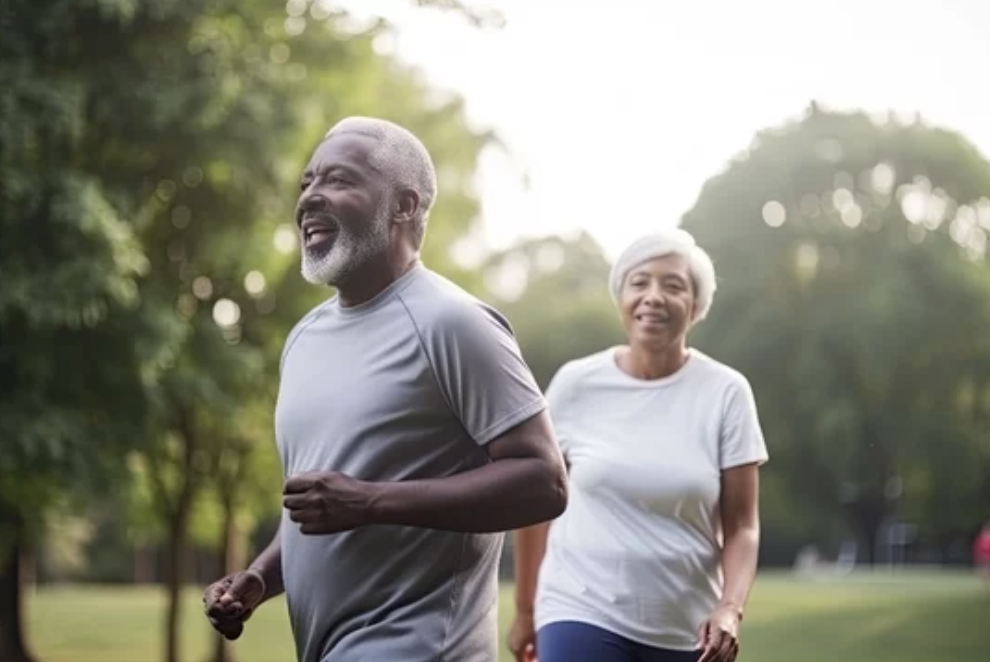
Keeping you active for Healthy Aging

Unlock the secrets to healthy aging and discover how to live your best life, at any age, with our personalized and expert-approved resources and guidance for strength, balance, and improved mobility.
Tip of the Month: More Protein for Active Aging

Maintaining strength and mobility is essential for older adults who want to keep doing what matters most. Protein intake is important for building and repairing muscle tissue as well as bone health.
Watch Anna Araujo, MS as she suggests the best foods to keep in our kitchen to easily boost our protein intake. Anna is a certified nutritionist and an Altura active aging coach.

For our Spanish visitors (en español), hear from Dr. Anna Maria Izquierdo-Porrera, a geriatrics specialist, on the importance of active aging and the health benefits of maintaining your strength and balance.

For the English version, please see Dr. Valenzuela’s video in the “Hear from the Experts” section.

Keeping you active for Healthy Aging

Unlock the secrets to healthy aging and discover how to live your best life, at any age, with our personalized and expert-approved resources and guidance for strength, balance, and improved mobility.

Knowing your activity level can help you choose activities and exercises that are best for you

What’s your activity level?

Answer 3 short questions to determine your activity level, which can help you find the right exercises

Find an activity, exercise or tip
that is right for you

Hear from the experts

Steven Castle, MD Professor of Geriatric Medicine, UCLA, Clinical Director of Geriatrics, VA Greater Los Angeles

Link to video

Click on link above to see a video from Dr. Castle as he explains why keeping active has so many health benefits for older adults.

Lindsey Valenzuela, PharmD APh BCACP VP of Population Health, Desert Oasis Healthcare


Click on link above to see a video from Dr. Valenzuela on the benefits of active aging.

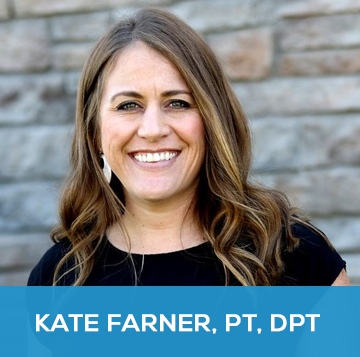
Kate Farner, PT, DPT, ATC, Cert. VRS
Clinic Director, Pro Active Physical Therapy & Sports Medicine


Link to video

Click on link above to see a video from Dr. Farner as she explains how to maintain physical activity while managing chronic pain or fatigue.

Published Studies Supporting the Benefits of Physical Activity for Older Adults

Extra hour of weekly exercise reduces risk of atrial fibrillation

Adding an extra hour every week of physical activity may lower the chance of developing the most common type of irregular heartbeat (arrythmia) by 11 percent, shows a new study presented at the annual meeting of the American Heart Association. The results showed that those with higher amounts of weekly physical activity were less likely to develop atrial fibrillation. Notably, the researchers say, even modest amounts of moderate to vigorous exercise, which can range from taking a brisk walk or cleaning the house to swimming laps or jogging, were associated with reduced risk. Specifically, study participants who averaged between 2.5 and 5 hours per week, the minimum amount recommended by the American Heart Association, showed a 60 percent lower risk of developing atrial fibrillation.

[Link]

NYU Langone Health

Weekly workouts may lower risk of dementia for people with high blood pressure

Vigorous exercise more than once a week can lower the risk of dementia for people with high blood pressure, a new clinical trial shows. People who engaged each week in vigorous physical activity had lower rates of mild cognitive impairment and dementia despite their high blood pressure, according to results published in Alzheimer’s & Dementia: The Journal of the Alzheimer’s Association. The protective impact of vigorous exercise on brain health was more pronounced for those younger than 75, results showed. “We know that physical exercise offers many benefits, including lowering blood pressure, improving heart health and potentially delaying cognitive decline,” said lead researcher Dr. Richard Kazibwe.

[Link]

Alzheimer's & Dementia: The Journal of the Alzheimer's Association

Sitting 30 minutes less per day may cut high blood pressure among seniors

Seniors wound up with lower blood pressure after they were coached to get up and move more often, a new study published in the journal JAMA Network Open says. Health coaching successfully reduced sitting time for a group of older adults by just over 30 minutes a day, according to a report. Sitting less led to a reduction of nearly 3.5 points in the seniors’ average blood pressure, researchers said. “Our findings are really promising because sitting less is a change that may be easier for people than increasing physical activity, especially for older adults who are more likely to be living with restrictions like chronic pain or reduced physical function,” said lead researcher Dori Rosenberg.

[Link]

JAMA Network Open: Journal of the American Medical Association

Consistent exercise improves sleep and reduces insomnia

Consistently exercising 2-3 times a week over the long term is linked to a lower current risk of insomnia as well as the ability to clock up the recommended 6-9 hours of shut eye every night, suggests a study published in the journal BMJ Open. Those who were persistently active were significantly (42%) less likely to find it difficult to fall asleep, 22% less likely to have any symptom of insomnia, and 40% less likely to report 2 or 3 (37% less likely) insomnia symptoms.

[Link]

BMJ Journals: BMJ Open

Small amounts of physical activity could help ward off stroke in the long term

Even people whose physical activity levels fall short of recommended guidelines, but who manage to do some during their leisure time, are likely to have a lower risk of stroke than their sedentary peers, suggests a data analysis published in the Journal of Neurology Neurosurgery & Psychiatry. “According to our results, all levels of [leisure time physical activity] can be beneficial for stroke prevention, including levels currently regarded as low or insufficient,” the researchers write.

[Link]

BMJ Journals: Journal of Neurology, Neurosurgery & Psychiatry

Study identifies optimal daily steps for heart failure prevention in older women

A new study published in JAMA Cardiology reports that, on average, 3,600 steps per day at a normal pace was associated with a 26% lower risk of developing heart failure. To the contrary, each hour-and-a-half of sedentary time was associated, on average, with a 17% higher risk of experiencing heart failure. “Accumulating 3,000 steps per day might be a reasonable target that would be consistent with the amount of daily activity performed by women in this study” said the study’s lead author, Michael J. LaMonte, PhD.

[Link]

JAMA Cardiology: Journal of the American Medical Association

Boost in cardio fitness may cut risk of prostate cancer

Even small increases in a man’s cardio fitness can significantly reduce his risk of developing prostate cancer, according to a report published in the British Journal of Sports Medicine. An annual increase in aerobic fitness of 3% or more is linked to a 35% lower risk of prostate cancer, according to researchers. And when researchers looked at the specific groups, they found that men with 3% or more yearly increase in fitness were 35% less likely to develop prostate cancer than those whose fitness declined. “Improvements in [cardiorespiratory fitness] in adult men should be encouraged and may reduce the risk of prostate cancer,” concluded the research team led by Dr. Kate Bolam.

[Link]

BMJ Journals: British Journal of Sports Medicine

Study confirms the mental health benefits of weight training for older individuals

Weight training can help reduce body fat and increase muscle strength and mass in older people, contributing to functional autonomy and avoidance of falls and injury. Furthermore, recent studies have shown that it can also benefit the mental health of older people, especially those who suffer from anxiety and depression. These benefits were confirmed by a study reported in the journal Psychiatry Research. “Resistance training has been shown to be one of the most effective non-pharmacological strategies for healthy aging. It promotes countless health benefits, including improvements to mental health,” said Paolo Cunha.

[Link]

Science Direct: Psychiatry Research

Cardiovascular Benefits Seen With as Few as 2,600 Steps Daily

Cardiovascular disease (CVD) benefits can be seen from as few as about 2,600 steps per day, according to a review recently published in the Journal of the American College of Cardiology. The researchers found significant risk reductions with 2,517 steps/day for all-cause mortality and 2,735 steps/day for incident CVD versus 2,000 steps/day (reference). “These findings can extend contemporary physical activity prescriptions given the easy-to-understand concept of step count,” the authors write.

[Link]

JACC Journals: Journal of the American College of Cardiology

Five minutes of extra exercise a day could lower blood pressure

Adding small amounts of exercise into daily routine, such as climbing stairs or cycling to the shops, could help to reduce blood pressure, with just five additional minutes a day estimated to yield improvements. The study found that replacing any less active behavior with five minutes of exercise could lower systolic blood pressure (SBP) and diastolic blood pressure (DBP). The study estimated that ‘clinically meaningful’ improvements could be achieved with as little as 20 additional minutes of exercise per day for SBP and 10 additional minutes of exercise per day for DBP.

[Link]

AHA Journals: Circulation

Request to Receive
Updates on Active Aging Tips, Exercises and Resources

Articles on Strength, Balance and Mobility
Please visit Articles page for more articles

Moving Just 5 More Minutes Each Day Could Boost Longevity

February 2026 – A new study published in the journal The Lancet found that just an extra 5 minutes of moderate-to-vigorous physical activity each day could help prevent as much as 10% of deaths. Adding 5-minute exercise may lower number of…

Read more

Chronic Unsteadiness is a Common Issue with Older Adults

January 2026 – Dizziness is a common complaint that should be reviewed by your Health Care Provider. Chronic Dizziness is described in the literature as Persistent Postural-Perceptual Dizziness1, but older adults often describe this as “unsteadiness”…

Read more


Walking for longer periods lowers risk of back pain

October 2025 – A new study published in JAMA Network Open finds people who walk a lot have less back pain than people who do not walk much – and the volume is what matters most, not the intensity. Low back pain (LBP) affects people of all ages and is…

Read more

Older Adults and Balance

September 2025 – Have you ever felt dizzy, lightheaded, or as if the room were spinning around you? It could be a sign of a balance problem. Many older adults experience problems with balance and dizziness. Problems can be caused by certain medicatio…

Read more
Latest News on Healthy Aging

5 days ago

Altura Health
A new study published in the journal JAMA Neurology found the DASH diet showed the strongest and most consistent associations to lower cognitive decline risk and better cognitive function, when compared to five other diets. #dementiaMedicalNewsToday (tinyurl.com/4yw8c9tx) ... See MoreSee Less
View on Facebook

1 week ago

Altura Health
Six months of regular aerobic exercise, such as cycling, can partially “normalize” disrupted brain communication in people with Parkinson’s disease, a new study in the Journal of Parkinson’s Disease suggests. #parkinsons #exerciseParkinsonsNewsToday (tinyurl.com/8anxzyzd) ... See MoreSee Less
View on Facebook

1 week ago

Altura Health
A new study published in JAMA Network OPEN suggests that stronger muscles may be associated with a lower all-cause mortality in older females ages 63 to 99. #olderadultsMedicalNewsToday (tinyurl.com/2ju27fnn) ... See MoreSee Less
View on Facebook

2 weeks ago

Altura Health
Aerobic exercise, such as running, swimming, and dancing, may be most effective for relieving the symptoms of depression and anxiety, finds a review published in the British Journal of Sports Medicine. #exercise #depressionNews Medical (tinyurl.com/3hc7b6fa) ... See MoreSee Less
View on Facebook

2 weeks ago

Altura Health
A recent study in the Journal of Nutrition, Health and Aging suggests that pairing resistance training with whole-food protein and nutrition education may strengthen bones and improve physical performance in older adults. #olderadultsNews Medical (tinyurl.com/3mvmspn2) ... See MoreSee Less
View on Facebook
Scroll to Top